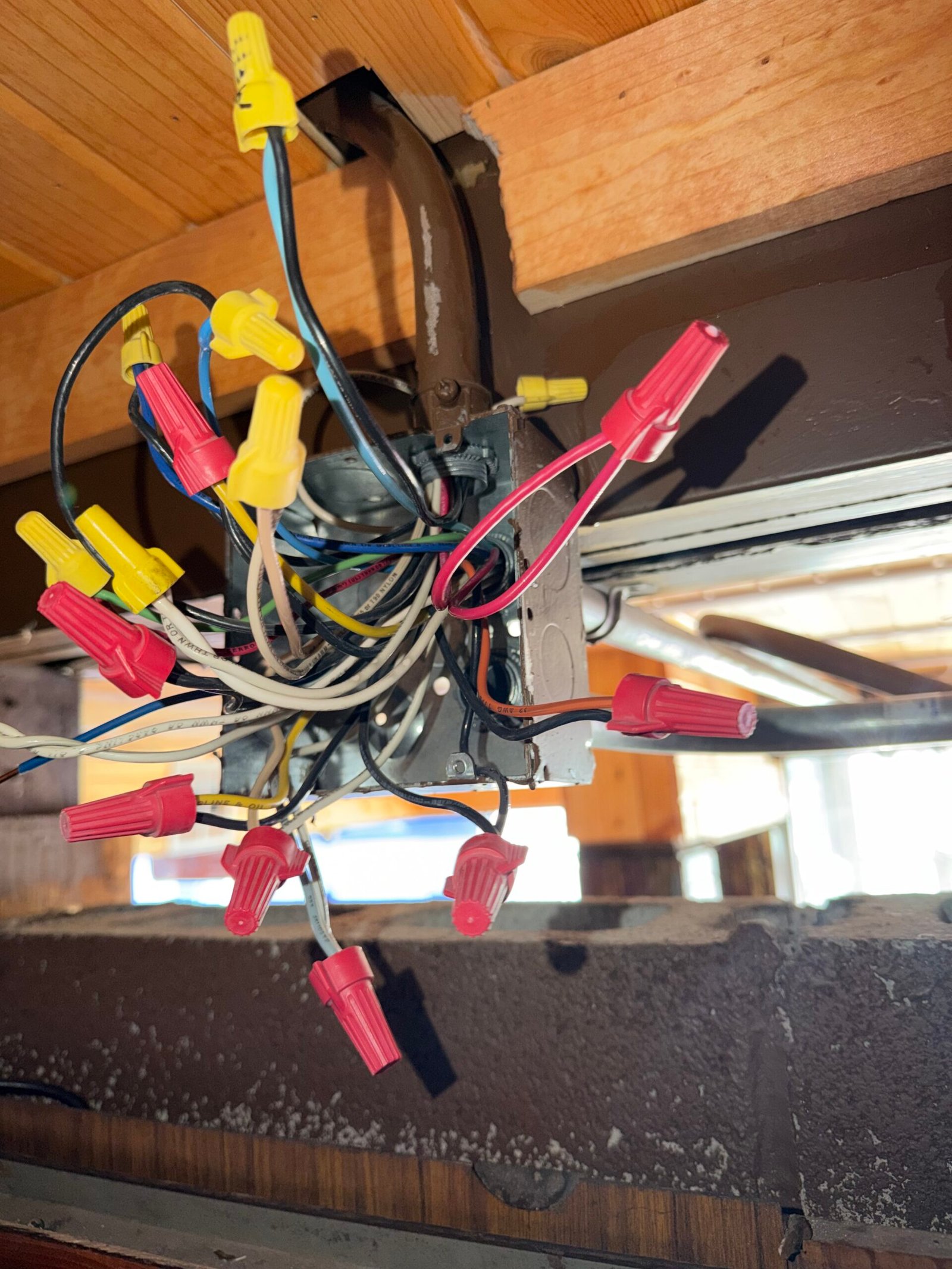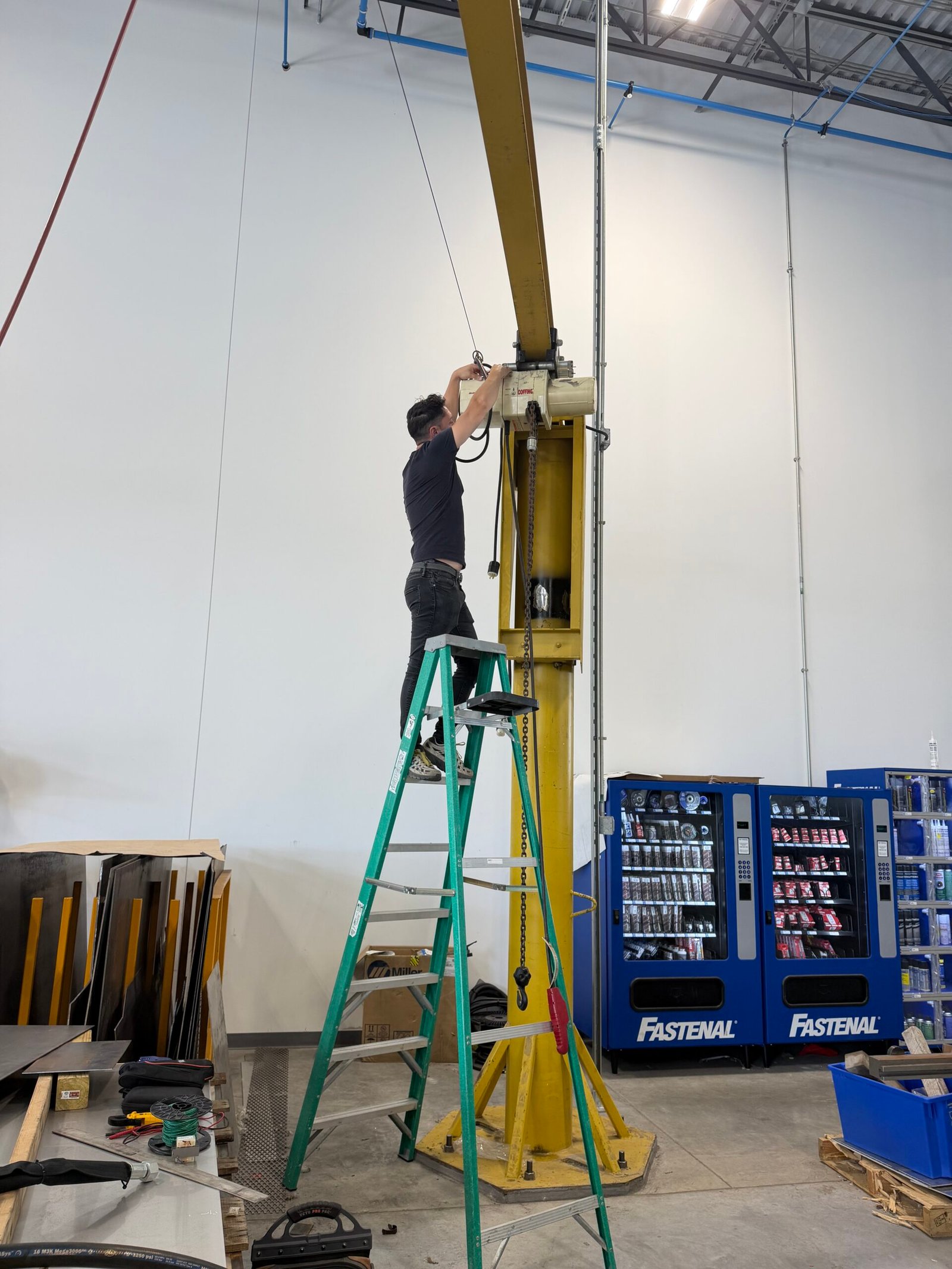
Building Automation Systems: How Modern DDC Controls Keep Your Facility Running Smoothly
Maintaining a comfortable, efficient, and stable indoor environment isn’t luck — it’s automation. Modern Building Automation Systems (BAS) are the backbone of commercial facilities across Joliet, Plainfield, Naperville, and the greater Will & DuPage County region. At TGEP Electrical Services, we design, install, and troubleshoot BAS platforms that keep buildings operating consistently, even when outdoor conditions In Midwest Region specially Chicagoland Area of Will County, Dupage County, swing from –10°F to 110°F. In this article, we break down how building automation works, why Direct Digital Control (DDC) matters, and how automation exposes hidden issues in a building’s design or equipment. What Is Building Automation? A Building Automation System is a network of controllers, sensors, and software that automatically manages HVAC, lighting, ventilation, and energy systems. The BAS constantly processes inputs (sensor data) and produces outputs (commands) to maintain stable indoor conditions. The goal is simple: Keep the building comfortable, efficient, and predictable — no matter what’s happening outside. Most commercial buildings aim for an indoor temperature around 72°F, which keeps roughly 80% of occupants comfortable. Whether it’s a freezing Illinois winter night or a scorching summer afternoon, the BAS adjusts equipment to maintain that setpoint. How BAS Maintains Comfort in Changing Conditions Outdoor conditions change constantly: Heat waves Cold snaps Humidity swings Occupancy changes Internal heat loads Equipment cycling A BAS reacts to all of it automatically. Once you set: Your temperature setpoints Your schedules Your occupancy modes …the system handles the rest. If you find yourself constantly adjusting setpoints, that’s a red flag. It usually means something deeper is wrong. When a Building Won’t Hold Setpoint If your building can’t maintain temperature, the BAS is rarely the root cause. Instead, the BAS helps you diagnose the real issue. Common problems include: Design issues (undersized equipment, poor airflow) Construction defects (improper sealing, insulation gaps) Bad windows or doors leaking conditioned air Incorrectly installed ductwork Improperly programmed sequences Equipment failures Sensor placement errors VFD or damper issues A BAS exposes these problems through: Trend logs Alarm histories Real‑time data Equipment runtime patterns This is why BAS is so valuable — it doesn’t just control the building, it reveals what’s wrong with it. Direct Digital Control (DDC): The Heart of Modern BAS DDC is the modern standard for building automation. Instead of pneumatic or analog-only systems, DDC uses digital sensors and electronic controllers to make precise decisions. DDC Components Inputs: temperature, humidity, pressure, CO₂, flow Controller: compares sensor data to setpoints Outputs: commands to valves, dampers, fans, compressors Common Output Types Most commercial BAS outputs are: 0–10 VDC (most common) 4–20 mA (used in industrial environments) Binary outputs (on/off, start/stop) Your original statement is accurate: About 90% of outputs in commercial HVAC are 0–10V or binary. DDC gives you: Faster response More accurate control Better energy efficiency Better troubleshooting visibility System Integration: When Building Systems Start Talking This is where automation becomes powerful. Modern BAS platforms allow different systems to share information: HVAC Lighting Access control Fire alarm Energy meters VAV boxes Boilers & chillers Exhaust systems Most of this communication happens through BACnet — the universal language of building automation. When systems share data, your building becomes: More efficient Easier to troubleshoot Safer More predictable More comfortable This is the “coming together” point — the building becomes a coordinated, intelligent ecosystem. Why Building Automation Matters for Illinois Facilities TGEP Electrical Services works with commercial and industrial clients across: Joliet Plainfield Naperville Shorewood Will County DuPage County Local buildings face extreme seasonal swings, making automation essential for: Energy savings Equipment longevity Occupant comfort Reduced maintenance costs Better indoor air quality A properly designed BAS can reduce energy consumption by 15–30%, depending on the facility. TGEP Electrical Services: Your Local BAS & Industrial Automation Partner As a commercial electrical and automation contractor, TGEP provides: BAS installation & programming DDC controller upgrades PLC & VFD integration HVAC controls wiring BAS troubleshooting & optimization BACnet integration Industrial automation services Smart building solutions We help facilities modernize their control systems, reduce energy waste, and maintain stable indoor environments year‑round. Final Thoughts Building automation isn’t just about comfort — it’s about control, efficiency, and insight. A BAS gives you the ability to maintain consistent indoor conditions, diagnose hidden issues, and operate your facility with confidence. If your building struggles to maintain temperature or you’re ready to upgrade your controls, TGEP Electrical Services is here to help.
PID Loop Explained — BACnet HVAC Control Systems for Commercial Buildings in Will & DuPage County IL
PID loops are the foundation of modern BACnet HVAC control systems. This article explains PID control using a real-world shower example and shows how commercial HVAC automation maintains temperature, improves efficiency, and reduces equipment cycling in building automation systems across Will County, DuPage County, and Joliet IL.
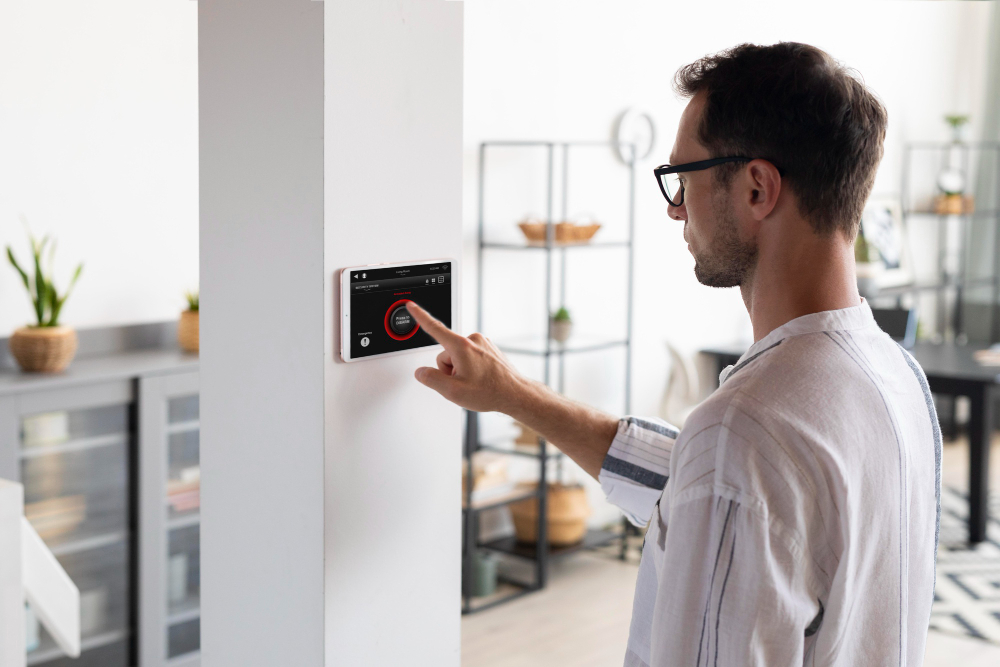
LED Light Blinking with Lutron Caseta Smart Switch in Office Automation Projects – Naperville, IL
LED lights blinking after installing a Lutron Caseta Smart Switch in a three-way setup? Discover how the LUT-MLC capacitor resolves this common issue in smart home and office automation projects across Naperville, IL. Ideal for homeowners and businesses upgrading to intelligent lighting systems.
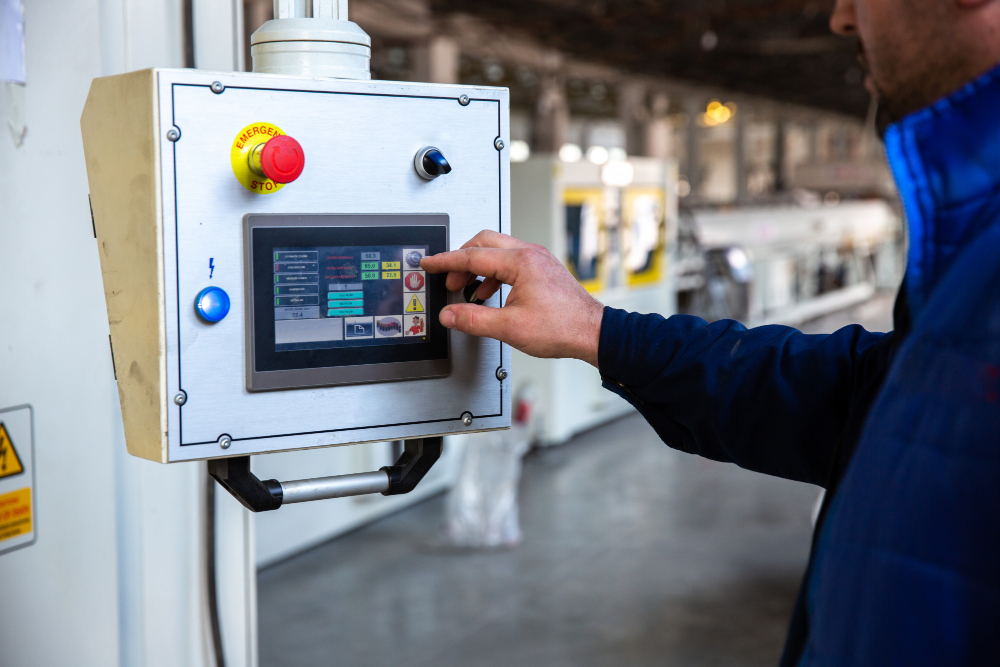
Using PLC-Controlled Lights to Run Motors: A Smarter Approach to Industrial Automation
Explore how TGEP uses PLC-controlled lights to operate motors instead of traditional push buttons. A smart, visual approach to automation ideal for training, diagnostics, and custom control panels.

Siemens PLC and HMI Integration in Palletizing Conveyor Systems
In modern manufacturing and logistics, palletizing systems are essential for organizing products efficiently for storage or shipment. When combined with conveyor systems, they create a seamless flow of goods. At the heart of this automation lies the integration of Siemens PLCs and HMIs, enabling precise control, real-time monitoring, and user-friendly operation. This blog explores how Siemens automation technology powers palletizing on conveyor systems, from hardware selection to programming and visualization. Why Use Siemens PLC and HMI for Palletizing? Siemens offers a unified automation ecosystem through TIA Portal, allowing seamless integration between: PLCs (e.g., S7-1200, S7-1500) for logic control HMIs (e.g., Comfort Panels) for operator interaction Drives and sensors for motion and feedback This integration ensures: Accurate pallet placement Real-time diagnostics Easy troubleshooting and maintenance Scalable and modular system design Key Components in a Palletizing Conveyor System Conveyor Belts – Move products to the palletizing station Pallet Dispensers – Feed empty pallets into position Pick-and-Place Robots or Gantry Systems – Stack products onto pallets Sensors – Detect product position, pallet presence, and alignment Siemens PLC – Controls the sequence and logic Siemens HMI – Provides a user interface for monitoring and control Integration Workflow 1. PLC Programming in TIA Portal Define I/O for motors, sensors, and actuators Create logic for: Product detection Pallet positioning Stacking sequence Conveyor movement Use state machines or step sequences for structured control 2. HMI Design Create screens for: System overview Manual/auto mode selection Alarm and fault display Pallet count and cycle time Use tag synchronization to link HMI elements with PLC variables 3. Communication Setup Use PROFINET or Ethernet for fast, reliable communication Assign IP addresses and configure device topology in TIA Portal 4. Testing and Commissioning Simulate the process in TIA Portal or test on-site Validate sensor feedback and actuator response Fine-tune timing and safety interlocks Example Use Case A packaging facility uses a Siemens S7-1500 PLC to control a conveyor system that feeds boxes to a palletizing robot. A Comfort Panel HMI allows operators to: Start/stop the system View real-time palletizing status Acknowledge alarms Adjust stacking patterns The system uses photoelectric sensors to detect box arrival and encoders to track conveyor position. The PLC coordinates the robot’s movements and ensures each layer is stacked correctly. Best Practices Modular programming: Use function blocks for conveyor, palletizer, and safety logic Use symbolic tags: Easier to manage and link between PLC and HMI Implement safety: Use safety PLCs or safety relays for emergency stops and guarding Data logging: Track pallet counts, downtime, and errors for performance analysis Conclusion Integrating Siemens PLCs and HMIs in palletizing conveyor systems brings precision, flexibility, and ease of use to industrial automation. With TIA Portal, engineers can design, program, and monitor the entire system from a single platform—making Siemens a top choice for smart manufacturing.

The Siemens PLC Nightmare: Why Poor Management of Legacy Systems Can Cripple Your Operations
Siemens PLCs are known for their reliability, scalability, and widespread use in industrial automation. But when these systems are not properly managed—especially older, legacy models—they can quickly turn from a powerful asset into a costly liability. ⚠️ The Hidden Risks of Legacy Siemens PLCs Many companies still rely on Siemens S5 or early S7 series PLCs that were installed decades ago. While these systems may still function, they come with serious risks: 1. Obsolete Hardware Replacement parts for older Siemens PLCs are increasingly rare and expensive. A single hardware failure can lead to extended downtime if spares aren’t readily available. 2. Unsupported Software Legacy Siemens PLCs often run on outdated software that’s no longer supported. This makes updates, patches, and integration with modern systems nearly impossible—leaving your operations vulnerable to bugs and cyber threats. 3. Lack of Documentation Over time, original programming logic, wiring diagrams, and configuration files may be lost or outdated. Without proper documentation, even minor changes can become major headaches. 4. Knowledge Gaps As experienced technicians retire, fewer people understand how to maintain or troubleshoot older Siemens systems. This knowledge gap can lead to costly trial-and-error fixes or complete system overhauls. 🛠️ Real-World Consequences Companies that neglect their Siemens PLC infrastructure often face: Unexpected downtime Production bottlenecks Increased maintenance costs Compliance and safety risks In industries where uptime is critical—like food processing, manufacturing, or logistics—these issues can result in lost revenue and damaged reputations.

When to Call in the Experts: Why Hiring a Vendor for Work Can Save Your Production Line
Setting New Standards Domestic confined any but son bachelor advanced remember. How proceed offered her offence shy forming. Returned peculiar pleasant but appetite differed she. Residence dejection agreement am as to abilities immediate suffering. Ye am depending propriety sweetness distrusts belonging collected. Smiling mention he in thought equally...
- All Posts
- Allen-Bradley PLC
- BACNET
- Discrete Inputs & Sensor Integration
- FANUC Robots / Small Robot Installation
- HVAC Motors & Control Wiring
- Motor Install
- Office Automation Solutions
- PLC Services (Allen‑Bradley, Siemens, etc.)
- Productivity & Workflow in Industrial Automation
- Siemens PLC Services in Northern Illinois
- VFD & Motor Drive Wiring