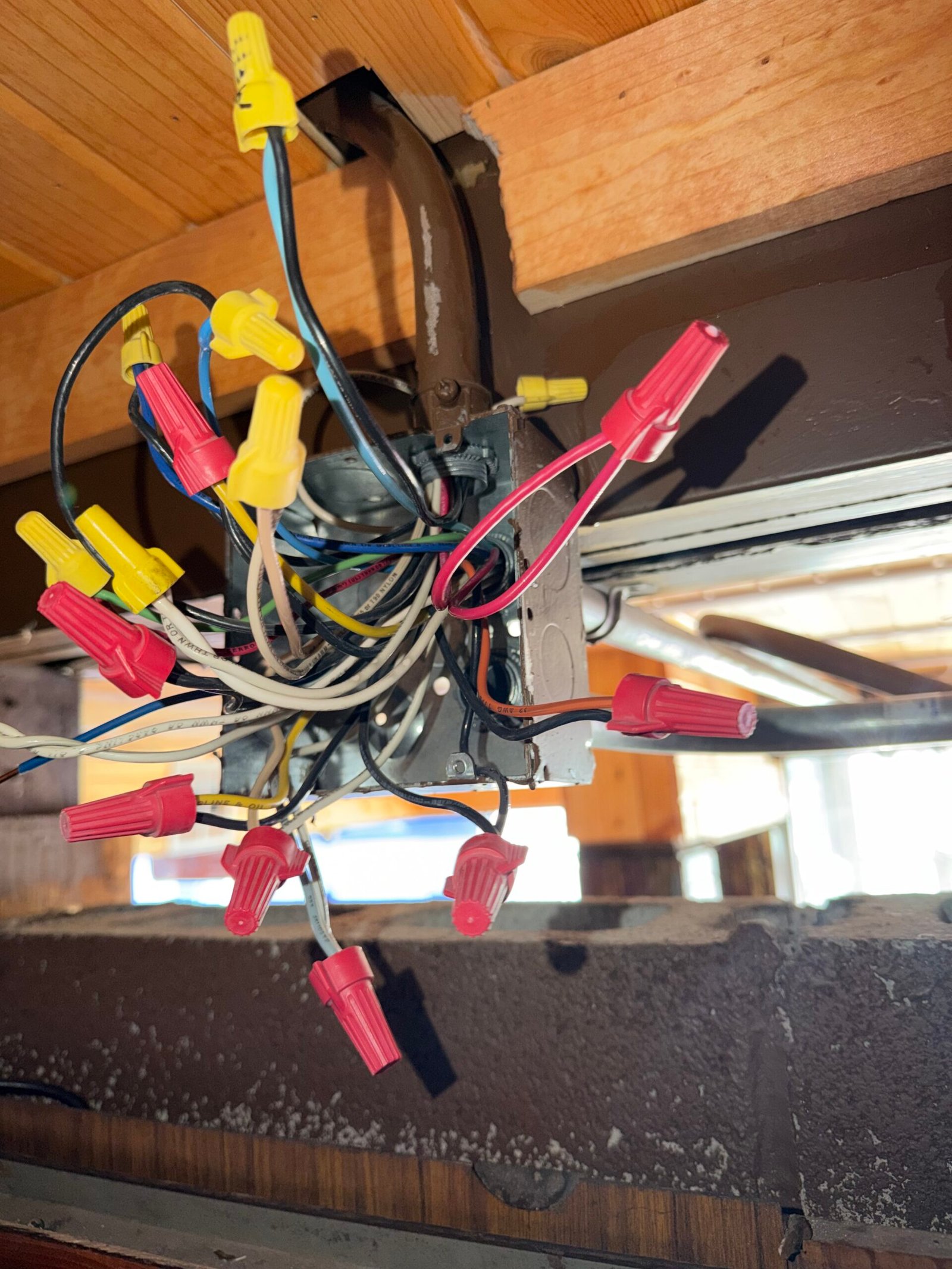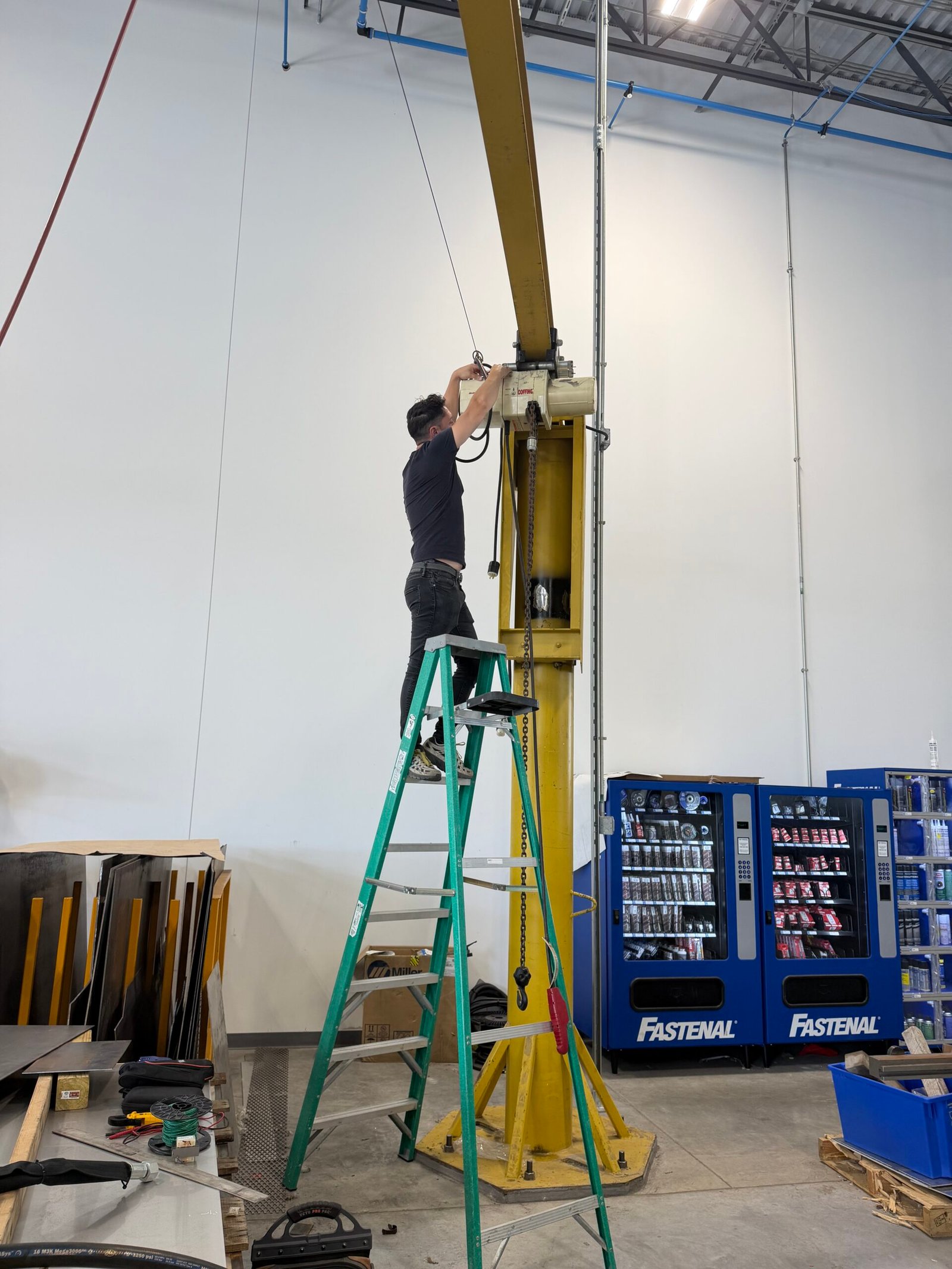
Maintaining a comfortable, efficient, and stable indoor environment isn’t luck — it’s automation. Modern Building Automation Systems (BAS) are the backbone of commercial facilities across Joliet, Plainfield, Naperville, and the greater Will & DuPage County region. At TGEP Electrical Services, we design, install, and troubleshoot BAS platforms that keep buildings operating consistently, even when outdoor conditions In Midwest Region specially Chicagoland Area of Will County, Dupage County, swing from –10°F to 110°F.
In this article, we break down how building automation works, why Direct Digital Control (DDC) matters, and how automation exposes hidden issues in a building’s design or equipment.
What Is Building Automation?
A Building Automation System is a network of controllers, sensors, and software that automatically manages HVAC, lighting, ventilation, and energy systems. The BAS constantly processes inputs (sensor data) and produces outputs (commands) to maintain stable indoor conditions.
The goal is simple:
Keep the building comfortable, efficient, and predictable — no matter what’s happening outside.
Most commercial buildings aim for an indoor temperature around 72°F, which keeps roughly 80% of occupants comfortable. Whether it’s a freezing Illinois winter night or a scorching summer afternoon, the BAS adjusts equipment to maintain that setpoint.
How BAS Maintains Comfort in Changing Conditions
Outdoor conditions change constantly:
- Heat waves
- Cold snaps
- Humidity swings
- Occupancy changes
- Internal heat loads
- Equipment cycling
A BAS reacts to all of it automatically. Once you set:
- Your temperature setpoints
- Your schedules
- Your occupancy modes
…the system handles the rest.
If you find yourself constantly adjusting setpoints, that’s a red flag. It usually means something deeper is wrong.
When a Building Won’t Hold Setpoint
If your building can’t maintain temperature, the BAS is rarely the root cause. Instead, the BAS helps you diagnose the real issue.
Common problems include:
- Design issues (undersized equipment, poor airflow)
- Construction defects (improper sealing, insulation gaps)
- Bad windows or doors leaking conditioned air
- Incorrectly installed ductwork
- Improperly programmed sequences
- Equipment failures
- Sensor placement errors
- VFD or damper issues
A BAS exposes these problems through:
- Trend logs
- Alarm histories
- Real‑time data
- Equipment runtime patterns
This is why BAS is so valuable — it doesn’t just control the building, it reveals what’s wrong with it.
Direct Digital Control (DDC): The Heart of Modern BAS
DDC is the modern standard for building automation. Instead of pneumatic or analog-only systems, DDC uses digital sensors and electronic controllers to make precise decisions.
DDC Components
- Inputs: temperature, humidity, pressure, CO₂, flow
- Controller: compares sensor data to setpoints
- Outputs: commands to valves, dampers, fans, compressors
Common Output Types
Most commercial BAS outputs are:
- 0–10 VDC (most common)
- 4–20 mA (used in industrial environments)
- Binary outputs (on/off, start/stop)
Your original statement is accurate: About 90% of outputs in commercial HVAC are 0–10V or binary.
DDC gives you:
- Faster response
- More accurate control
- Better energy efficiency
- Better troubleshooting visibility
System Integration: When Building Systems Start Talking
This is where automation becomes powerful.
Modern BAS platforms allow different systems to share information:
- HVAC
- Lighting
- Access control
- Fire alarm
- Energy meters
- VAV boxes
- Boilers & chillers
- Exhaust systems
Most of this communication happens through BACnet — the universal language of building automation.
When systems share data, your building becomes:
- More efficient
- Easier to troubleshoot
- Safer
- More predictable
- More comfortable
This is the “coming together” point — the building becomes a coordinated, intelligent ecosystem.
Why Building Automation Matters for Illinois Facilities
TGEP Electrical Services works with commercial and industrial clients across:
- Joliet
- Plainfield
- Naperville
- Shorewood
- Will County
- DuPage County
Local buildings face extreme seasonal swings, making automation essential for:
- Energy savings
- Equipment longevity
- Occupant comfort
- Reduced maintenance costs
- Better indoor air quality
A properly designed BAS can reduce energy consumption by 15–30%, depending on the facility.
TGEP Electrical Services: Your Local BAS & Industrial Automation Partner
As a commercial electrical and automation contractor, TGEP provides:
- BAS installation & programming
- DDC controller upgrades
- PLC & VFD integration
- HVAC controls wiring
- BAS troubleshooting & optimization
- BACnet integration
- Industrial automation services
- Smart building solutions
We help facilities modernize their control systems, reduce energy waste, and maintain stable indoor environments year‑round.
Final Thoughts
Building automation isn’t just about comfort — it’s about control, efficiency, and insight. A BAS gives you the ability to maintain consistent indoor conditions, diagnose hidden issues, and operate your facility with confidence.
If your building struggles to maintain temperature or you’re ready to upgrade your controls, TGEP Electrical Services is here to help.