
Moving Electrical Circuits with Shared Neutrals in an Active Commercial Building
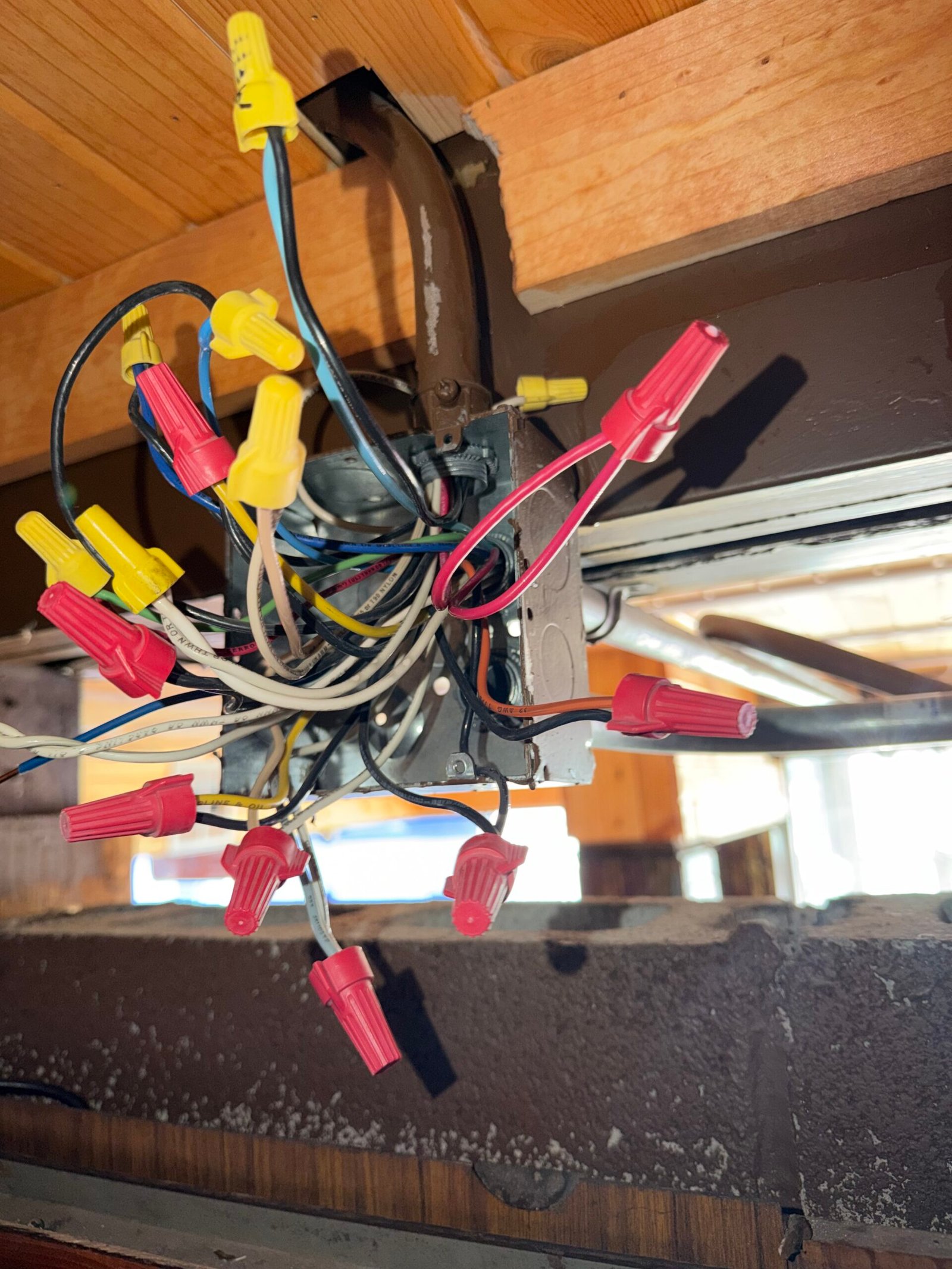
How TGEP Relocated 15+ Live Circuits Without Shutting Down Operations Many commercial buildings throughout Will County and DuPage County were wired decades ago using shared neutral (multi-wire branch circuit) installations. At the time, this was a common and code-compliant practice when installed correctly. While these systems can still operate safely when maintained properly, they present significant challenges when businesses remodel, relocate equipment, or expand their electrical systems. At TGEP Building Automation & Electrical Services, we were recently called to relocate an electrical junction box inside a commercial facility that operates 24 hours a day, 365 days a year. Because shutting down power would have interrupted business operations, the entire project had to be completed while keeping the facility energized. The Challenge The junction box supplied more than 15 branch circuits, but there were only four shared neutral conductors serving those circuits. Relocating the box was not as simple as disconnecting wires and pulling them into a new enclosure. Every circuit sharing a neutral had to remain properly identified throughout the process. A single mistake could interrupt multiple circuits or create unsafe conditions. For many businesses, completely rewiring the system with individual neutral conductors is simply not cost-effective. Instead, careful planning and experienced troubleshooting become the key to completing the work safely. TGEP’s Strategy Rather than moving everything at once, our electricians developed a step-by-step process. 1. Identify Every Circuit Each hot conductor was traced back to its corresponding circuit breaker. Every circuit was carefully labeled before any work began. 2. Install a Temporary Neutral Before relocating an individual circuit, a temporary neutral conductor was installed to maintain circuit continuity while work progressed. 3. Move One Circuit at a Time Only a single circuit was relocated at any given time. This minimized risk and allowed continuous verification throughout the project. 4. Restore Power and Test Once the circuit was terminated in its new location, power was restored and every connected load was tested to verify proper operation. 5. Repeat the Process The procedure was repeated for each remaining circuit until every conductor had been successfully relocated. Although the concept sounds straightforward, the execution required exceptional patience, attention to detail, and constant verification. Why Experience Matters Working around shared neutrals requires a thorough understanding of: Multi-wire branch circuits Neutral current paths Phase relationships Circuit identification Commercial electrical troubleshooting Live electrical work planning Electrical safety procedures Projects like these cannot be rushed. Every conductor must be verified before moving to the next circuit. Building Automation Often Begins with Electrical Infrastructure Many building owners contact TGEP for Building Automation System (BAS) upgrades only to discover that aging electrical infrastructure must be addressed first. Whether installing: BACnet controllers VAV controls Smart thermostats HVAC control panels Energy management systems Networked sensors …the underlying electrical system must be reliable and properly documented. At TGEP, our background in both commercial electrical contracting and Building Automation allows us to solve infrastructure challenges before integrating modern control systems. Serving Will County and DuPage County TGEP provides commercial electrical and Building Automation services throughout: Will County DuPage County Bolingbrook Naperville Plainfield Romeoville Downers Grove Lisle Woodridge Wheaton Glen Ellyn and surrounding Illinois communities. Whether your facility operates during normal business hours or around the clock, our team develops solutions that minimize downtime while maintaining safe, reliable electrical systems. Need Help with Commercial Electrical or Building Automation? If your commercial facility is expanding, relocating equipment, upgrading HVAC controls, or implementing a Building Automation System, TGEP can help. Our team specializes in: Commercial electrical troubleshooting Building Automation Systems (BAS) BACnet integration Control panel modifications Electrical infrastructure upgrades Live commercial electrical maintenance HVAC controls and automation Contact TGEP Online today to discuss your next commercial electrical or Building Automation project in Will Countyor DuPage County.
Troubleshooting Industrial Equipment: When a Coffing Hoist Fails After Relocation
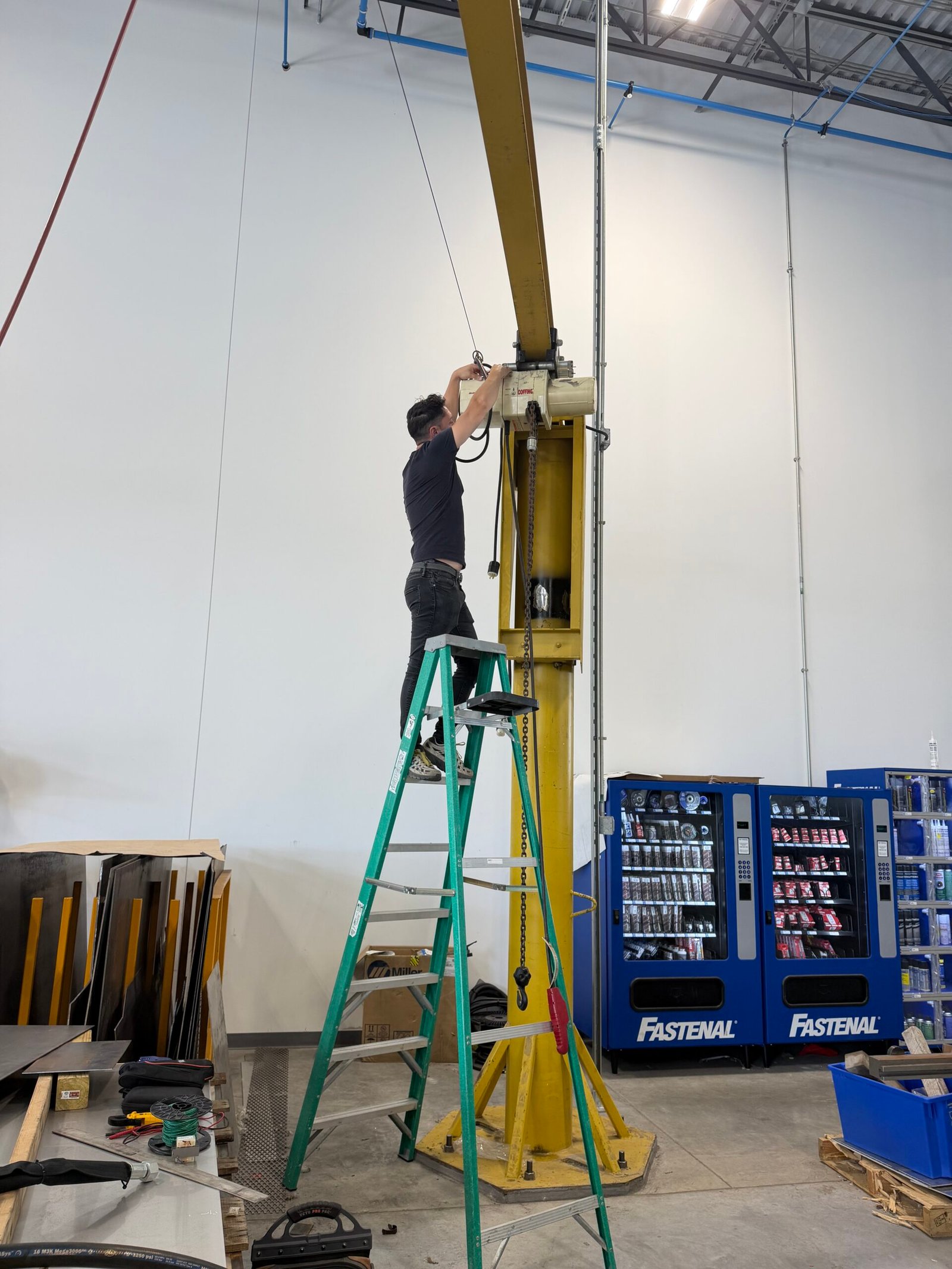
In the industrial world, equipment relocation is common, but it often brings unexpected electrical challenges. Recently, we were called to a client site in the Joliet/Channahon area of Will County, Illinois to troubleshoot a Coffing hoist that had suddenly stopped functioning. The hoist had been operating for a month following its move to the new facility. However, this new location utilized a 480V Delta corner-grounded system, where L1 to ground measures approximately 277V. After the equipment quit, we were brought in to identify the failure point. The Investigation: Identifying the Root Cause Upon opening the hoist casing, the issue was clear: the secondary transformer had burned out. This was particularly surprising because this was the second transformer failure reported on this unit—one we had not originally installed. Coffing hoists are renowned for their rugged reliability and simplified control schemes, making repeated transformer failures highly unusual. After a thorough inspection, we uncovered the source of the trouble: a marking on the casing indicated the unit was internally wired for 230V, despite being connected to a 480V supply at the new facility. Resolving the Electrical Mismatch Operating a 230V-configured control circuit on 480V will inevitably lead to component failure. To resolve this, more than just replacing the transformer is required. The entire control circuit must be reconfigured to match the supply voltage: Transformer Replacement: We have sourced a new, compatible transformer to replace the damaged unit. Electric Brake Reconfiguration: A critical step when converting from 230V to 480V is properly rewiring the electric brake assembly. Solenoid Adjustment: The solenoid must be explicitly rewired from 230V to 480V operation to ensure safe and reliable engagement. Professional Industrial Electrical Services in Will County Equipment failure due to improper voltage configuration is a common pitfall during plant relocations. Whether you are dealing with Coffing hoist repairs, industrial motor drive systems, or PLC programming, ensuring your electrical infrastructure is correctly configured for your facility’s power supply is paramount to protecting your investment. At TGEP, we specialize in building automation and PLC, Motor, controls, HMI, robots etc for clients throughout Joliet, Channahon, and the greater Will County area. If you are planning an equipment move or experiencing recurring failures with your industrial hoists and control systems, our team has the expertise to diagnose and resolve the issue correctly the first time. We are currently awaiting the replacement transformer and will provide an update once the unit is back in full operation. Need expert assistance with your industrial equipment? Contact us today at tgeponline.com to discuss your service needs.
Building Automation Systems: How Modern DDC Controls Keep Your Facility Running Smoothly
Maintaining a comfortable, efficient, and stable indoor environment isn’t luck — it’s automation. Modern Building Automation Systems (BAS) are the backbone of commercial facilities across Joliet, Plainfield, Naperville, and the greater Will & DuPage County region. At TGEP Electrical Services, we design, install, and troubleshoot BAS platforms that keep buildings operating consistently, even when outdoor conditions In Midwest Region specially Chicagoland Area of Will County, Dupage County, swing from –10°F to 110°F. In this article, we break down how building automation works, why Direct Digital Control (DDC) matters, and how automation exposes hidden issues in a building’s design or equipment. What Is Building Automation? A Building Automation System is a network of controllers, sensors, and software that automatically manages HVAC, lighting, ventilation, and energy systems. The BAS constantly processes inputs (sensor data) and produces outputs (commands) to maintain stable indoor conditions. The goal is simple: Keep the building comfortable, efficient, and predictable — no matter what’s happening outside. Most commercial buildings aim for an indoor temperature around 72°F, which keeps roughly 80% of occupants comfortable. Whether it’s a freezing Illinois winter night or a scorching summer afternoon, the BAS adjusts equipment to maintain that setpoint. How BAS Maintains Comfort in Changing Conditions Outdoor conditions change constantly: Heat waves Cold snaps Humidity swings Occupancy changes Internal heat loads Equipment cycling A BAS reacts to all of it automatically. Once you set: Your temperature setpoints Your schedules Your occupancy modes …the system handles the rest. If you find yourself constantly adjusting setpoints, that’s a red flag. It usually means something deeper is wrong. When a Building Won’t Hold Setpoint If your building can’t maintain temperature, the BAS is rarely the root cause. Instead, the BAS helps you diagnose the real issue. Common problems include: Design issues (undersized equipment, poor airflow) Construction defects (improper sealing, insulation gaps) Bad windows or doors leaking conditioned air Incorrectly installed ductwork Improperly programmed sequences Equipment failures Sensor placement errors VFD or damper issues A BAS exposes these problems through: Trend logs Alarm histories Real‑time data Equipment runtime patterns This is why BAS is so valuable — it doesn’t just control the building, it reveals what’s wrong with it. Direct Digital Control (DDC): The Heart of Modern BAS DDC is the modern standard for building automation. Instead of pneumatic or analog-only systems, DDC uses digital sensors and electronic controllers to make precise decisions. DDC Components Inputs: temperature, humidity, pressure, CO₂, flow Controller: compares sensor data to setpoints Outputs: commands to valves, dampers, fans, compressors Common Output Types Most commercial BAS outputs are: 0–10 VDC (most common) 4–20 mA (used in industrial environments) Binary outputs (on/off, start/stop) Your original statement is accurate: About 90% of outputs in commercial HVAC are 0–10V or binary. DDC gives you: Faster response More accurate control Better energy efficiency Better troubleshooting visibility System Integration: When Building Systems Start Talking This is where automation becomes powerful. Modern BAS platforms allow different systems to share information: HVAC Lighting Access control Fire alarm Energy meters VAV boxes Boilers & chillers Exhaust systems Most of this communication happens through BACnet — the universal language of building automation. When systems share data, your building becomes: More efficient Easier to troubleshoot Safer More predictable More comfortable This is the “coming together” point — the building becomes a coordinated, intelligent ecosystem. Why Building Automation Matters for Illinois Facilities TGEP Electrical Services works with commercial and industrial clients across: Joliet Plainfield Naperville Shorewood Will County DuPage County Local buildings face extreme seasonal swings, making automation essential for: Energy savings Equipment longevity Occupant comfort Reduced maintenance costs Better indoor air quality A properly designed BAS can reduce energy consumption by 15–30%, depending on the facility. TGEP Electrical Services: Your Local BAS & Industrial Automation Partner As a commercial electrical and automation contractor, TGEP provides: BAS installation & programming DDC controller upgrades PLC & VFD integration HVAC controls wiring BAS troubleshooting & optimization BACnet integration Industrial automation services Smart building solutions We help facilities modernize their control systems, reduce energy waste, and maintain stable indoor environments year‑round. Final Thoughts Building automation isn’t just about comfort — it’s about control, efficiency, and insight. A BAS gives you the ability to maintain consistent indoor conditions, diagnose hidden issues, and operate your facility with confidence. If your building struggles to maintain temperature or you’re ready to upgrade your controls, TGEP Electrical Services is here to help.
PID Loop Explained — BACnet HVAC Control Systems for Commercial Buildings in Will & DuPage County IL
PID loops are the foundation of modern BACnet HVAC control systems. This article explains PID control using a real-world shower example and shows how commercial HVAC automation maintains temperature, improves efficiency, and reduces equipment cycling in building automation systems across Will County, DuPage County, and Joliet IL.
Joining Electric Motor Drives for smoother Process
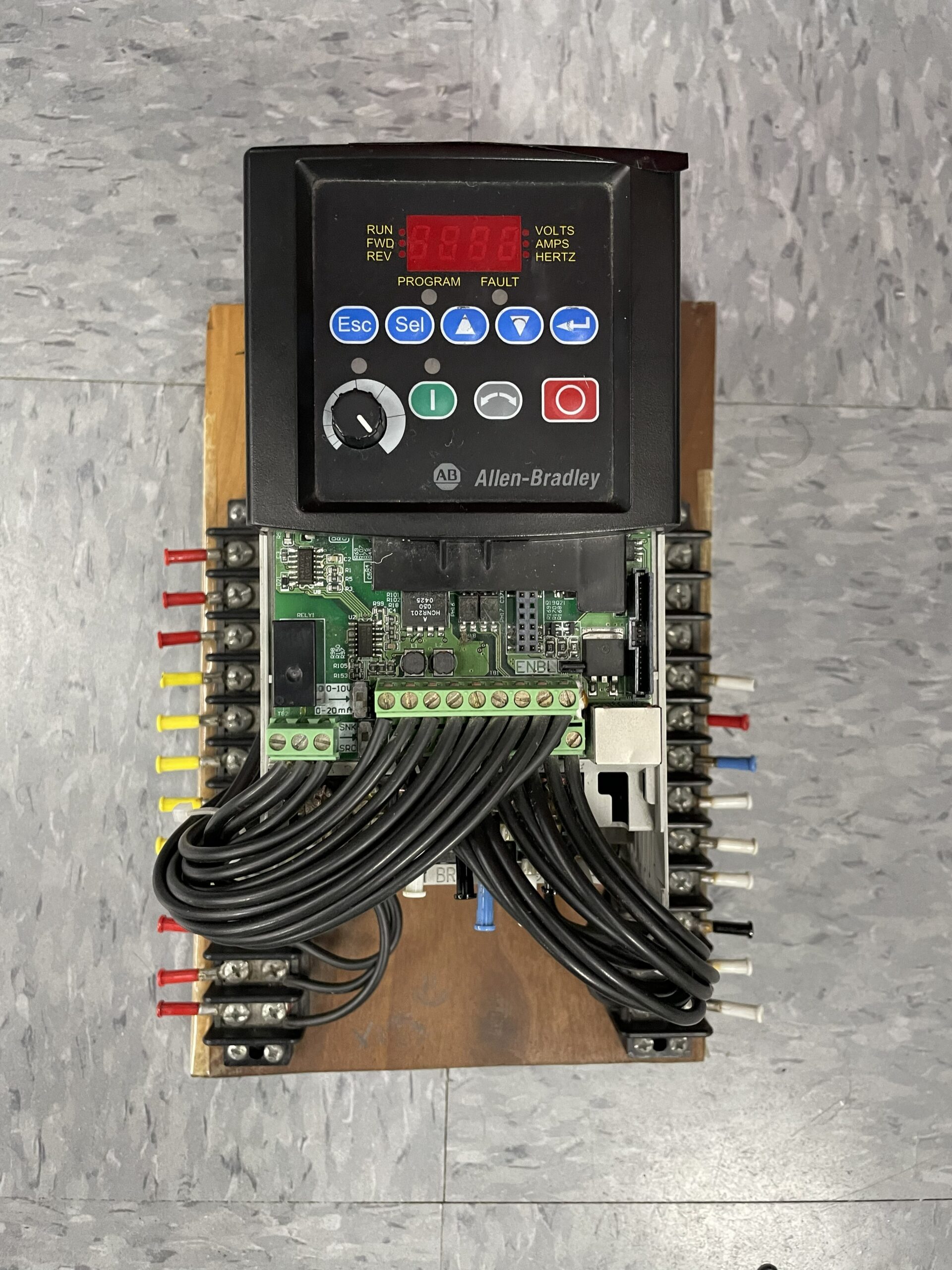
Electric Motor Drives has become a more common feature in Electric Motor installation. One of the common Electric Motor Drives commonly used around the Joliet, Plainfield, Minooka area Allen Bradley Power Flex 40. Lots of industries around here add power d drives with the Electric AC motor for conveyor Belt system. At TGEP we feel having multiple Electric Drives for a long conveyor system is a easy way ti reduce load on a single drive and motor and increase the longevity of the equipment. At TGEP we also recommend connecting the motor drives together on a network or through analog input is the best way to have dependent drives which perform based on how the other motor drives are operating. In the analog input for connecting the Electric Motor Drives we make one drive the master and the other one the slave. Maybe in today world the more appropriate term would be a leader and follower. The slave drive follows the master driver and you can set it up to mirror each other. The Power Flex Motor Drives is connected through a shield cable. Benefits of Connecting Multiple PowerFlex Drives Connecting multiple PowerFlex drives offers several advantages: Centralized Control: The master power flex can control the slave and make the automation streamlined and reducing programming for slaves. Scalability: Easily add more drives by adding more drives without redesigning the entire control architecture. Reduced Wiring: Shared inputs and daisy-chained signals minimize wiring effort and panel space. Synchronized Operation: Ideal for applications like conveyors, mixers, or multi-motor systems where coordinated speed and direction are essential. Cost Efficiency: Fewer components and simplified installation reduce labor and hardware costs. Improved Diagnostics: If you’re planning a multi-drive setup, TGEP can help with installing the wiring layout, A/C Electric Motor and Allen Bradley Power Flex around Will County, Dupage County. TGEP does Electric Services around A/C or DC motor in Joliet, Plainfield, Naperville area. Want to explore how to integrate these drives with a PLC or HMI next call us 630-847-1421
The Art of Motor Coupling: Connecting Power to Performance
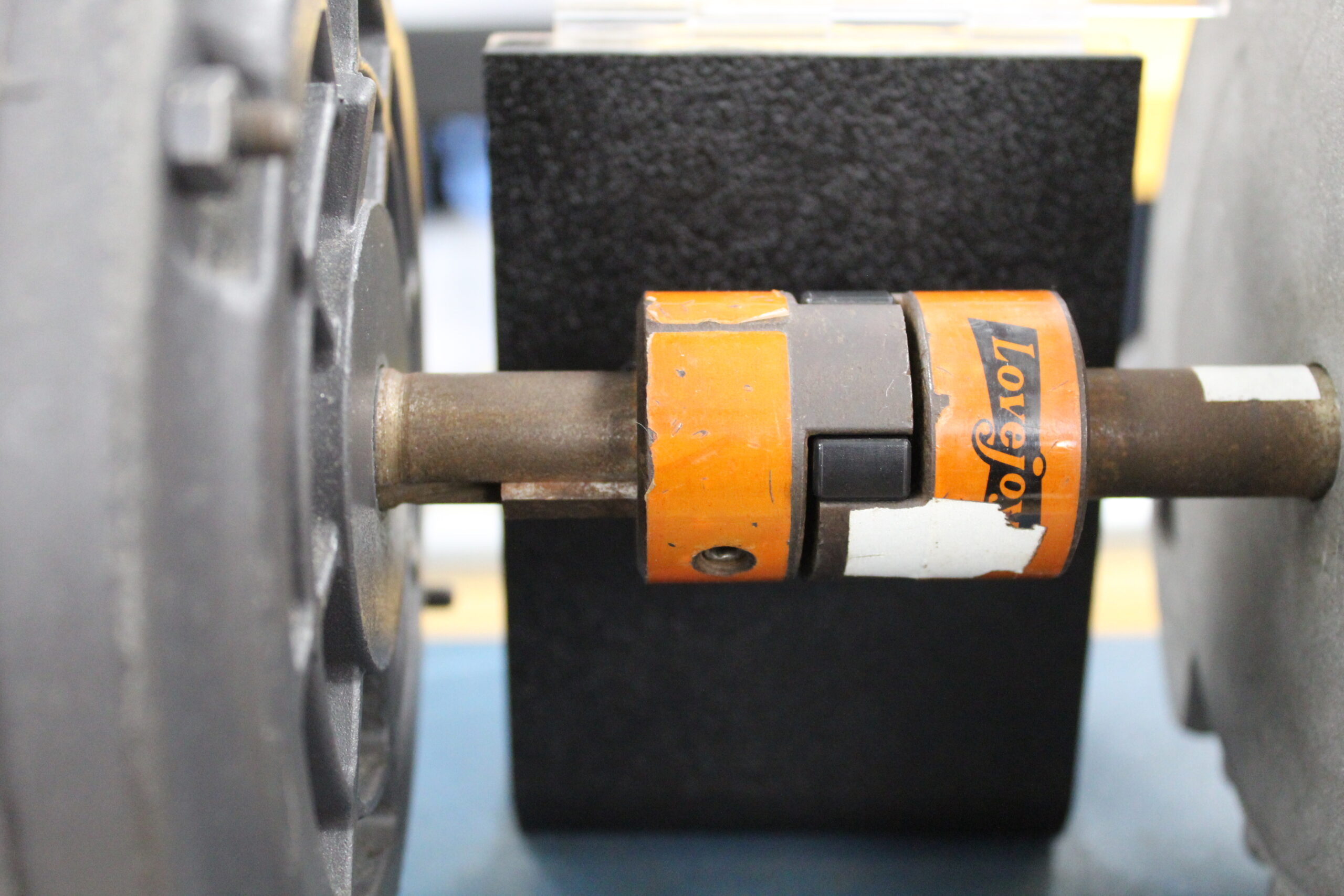
In the world of industrial automation and mechanical systems, electric motors are the heartbeat of productivity. From powering conveyor belts in manufacturing plants to driving pumps in water treatment facilities, electric motors are everywhere. But their power is only as effective as the connection to the equipment they drive — and that’s where motor couplings come into play. Why Motor Couplings Matter AC or DC Motor couplings are essential components that connect electric motors to driven equipment such as pumps, fans, and conveyors. They serve a critical role in transmitting torque while accommodating misalignment, reducing vibration, and protecting both the motor and the driven machinery from excessive wear. In Will County lots of industries deploy AC or DC motors for various uses. A well-selected and properly aligned coupling can: Extend motor life Improve system efficiency Minimize downtime Reduce maintenance costs Types of Motor Couplings at TGEP LLC we Install and Service At our company, we specialize in the installation and servicing of all major types of motor couplings, including: 🔹 Sure-Flex Couplings Flexible and easy to install, Sure-Flex couplings are ideal for applications where misalignment and shock loads are common. Their elastomeric design helps dampen vibration and noise. 🔹 Gear Couplings Known for their high torque capacity and durability, gear couplings are perfect for heavy-duty applications. They consist of two hubs with external gear teeth and a sleeve with internal teeth. 🔹 Chain Couplings These couplings use a roller chain and sprockets to transmit torque. They are rugged and reliable, often used in conveyor systems and other industrial machinery. 🔹 Grid Couplings Grid couplings offer excellent vibration damping and shock absorption. Their unique grid spring design makes them suitable for high-speed and high-torque applications. The Importance of Proper Coupling Selection and Alignment Choosing the right coupling isn’t just about matching torque ratings — it’s about understanding the application. Factors like misalignment tolerance, operating speed, environmental conditions, and load characteristics all influence the best choice. Equally important is precision alignment. Misaligned couplings can lead to: Increased vibration Premature bearing and seal failure Excessive energy consumption Using laser alignment tools and expert techniques, we ensure every coupling is installed to exact specifications, maximizing performance and longevity. Couplings in Conveyor Systems In conveyor systems, motor couplings play a pivotal role in ensuring smooth and efficient material handling. Whether it’s a belt conveyor in a packaging line or a screw conveyor in a grain processing plant, the right coupling ensures consistent motion and minimal mechanical stress. Final Thoughts The art of motor coupling lies in the balance between power transmission and mechanical harmony. We at TGEP try find the right coupling for the application, With the right coupling, properly installed and aligned, electric motors can deliver peak performance while minimizing wear and tear on connected equipment. Whether you’re upgrading your system or troubleshooting vibration issues, our team is here to help with expert advice and hands-on service for all major coupling types.
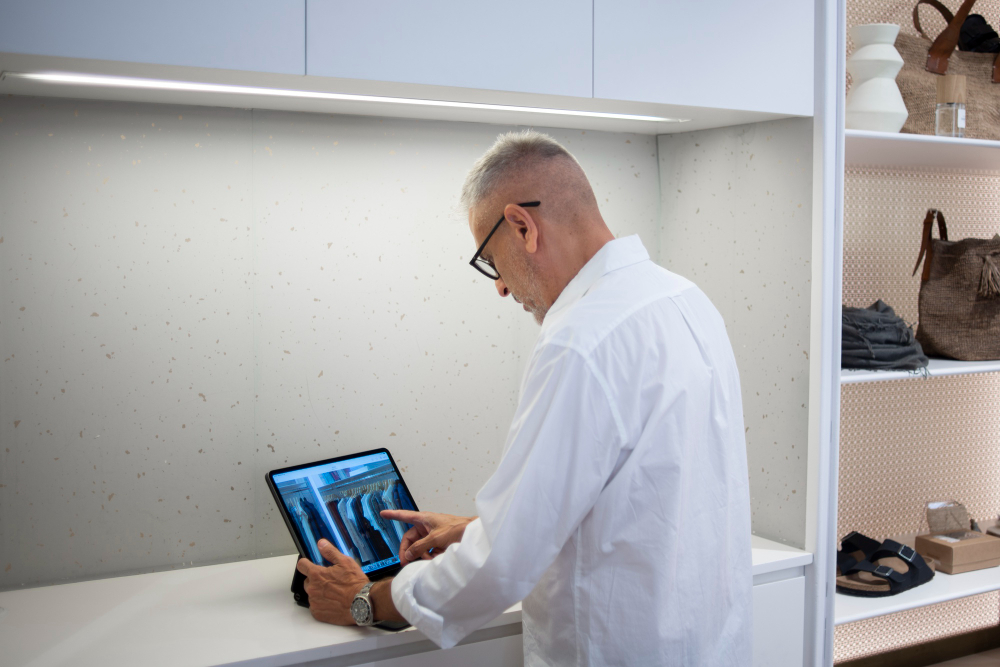
Brightening the Future: Office Automation for a Modern Medical Office Condo by TGEP
TGEP, a Midwest electrical company, modernized a medical office condo by replacing outdated fluorescent lighting with LED fixtures and integrating Lutron smart switches. The upgrade eliminated flickering, humming, and inefficiencies—creating a quieter, smarter, and more energy-efficient workspace.
- All Posts
- Allen-Bradley PLC
- BACNET
- Discrete Inputs & Sensor Integration
- FANUC Robots / Small Robot Installation
- HVAC Motors & Control Wiring
- Motor Install
- Office Automation Solutions
- PLC Services (Allen‑Bradley, Siemens, etc.)
- Productivity & Workflow in Industrial Automation
- Siemens PLC Services in Northern Illinois
- VFD & Motor Drive Wiring